
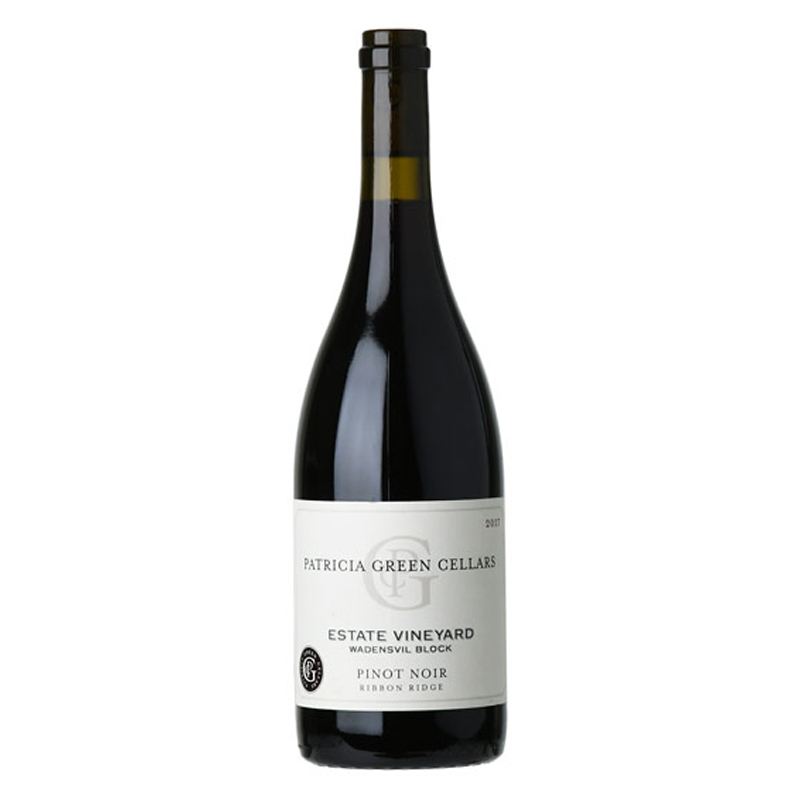
Patricia Green Cellars Pinot Noir, Freedom Hill Vineyard, Wadensvil Clone 2023
Original price was: $49.99.$38.99Current price is: $38.99.
Description
Patricia Green Cellars Pinot Noir, Freedom Hill Wadensvil Clone 2023
95 pts – Jeb Dunnuck
Winemaking and Notes:
Winemaking: Fermentations were managed by a combination of pumpovers early in the process and exclusively prior to fermentation beginning as well as pigeages to ensure gentle handling, extraction and delicate tannin construction. Cold soaks were generally 3-4 days with a couple of blocks getting up to between 6-7 days. Full fermentation from beginning to pressing was 16-17 days except for the 100% whole cluster ferments which were between 19-20 days. 24-48 hour settling prior to being racked to barrel. All wines on full lees until assemblage for bottling. Bottled without fining or filtration.
Barrels: This 54-barrel bottling consists of a variety of barrel ages and cooperages. There are no new barrels and only 4 once-used barrels in this bottling. The attempt here is to minimize the barrel tannin and darker flavors on a wine that already is tannin dense and darkly fruited. We believe in the natural gravitas of this vineyard and wine. We also want to provide people buying this at the incredible price it comes at the opportunity to drink it on the younger side and enjoy the primary fruit that stuffs this wine but that can be easily obscured by a set of newer barrels that work with the wine’s inherent darkness and structure and makes the wine perhaps more precious and precocious but not something that matches up with its price point.
Tasting Notes:
The 2023 Freedom Hill Vineyard Pinot Noir doesn’t miss a beat with the numerous Freedom Hill classic bottlings that have come before it. Freedom Hill is known for dark, elaborately pigmented wines with a wealth of fruit, generous mouthfeel and a generous dollop of tannins that gives the wine framework and dimension. This is our 11th bottling of the Freedom Hill classic (as we refer to it) bottling, dating back to our first vintage in 2012. Were we not to have the elaborate clonal bottlings this would be seen as one of the greatest Freedom Hill Vineyard bottlings we have ever done. The dark fruit has a sweeter tone to it, the structure is dense, as per usual, but the wine is flush with red and black fruit and a freshening level of acidity that contains the sheer mass of the wine that makes it both beautiful and profound.
Site Characteristics and Block:
Site Characteristics: Freedom Hill Vineyard lies toward the eastern edge of the Coast Range Foothills. While associated geographically with the Eola Hills, the site lies south and west of the border of the Eola-Amity Hill Appellation outside of the town of Monmouth. The vineyard is planted on a marine sedimentary type of soil known as Bellpine. The vineyard is also located just south of the Van Duzer wind corridor which allows for more consistent average temperatures due to a lack of afternoon and evening offshore breezes rolling through.
The Block: Since 2012 when we initially began sourcing fruit from Freedom Hill Vineyard, we have chosen a sub-set of the different blocks to bottle based upon the clone within the block. Not all blocks in this (or any vineyard for that matter) are equal. For instance, we get Dijon 115 from three separate parts of the vineyard, but the Dijon 115 bottling comes entirely from one of those sections. In 2016 we were offered a block of Wadensvil next to that very block of Dijon 115 by which we are impressed by. These two blocks are adjacent and near the highest point in the vineyard. Another winery chose to not renew its lease in this block, and we stepped into an interesting situation. The block was, oddly, under much more duress than our Dijon 115 despite its proximity. We devised a plan with the Dusschees to restore the vine health in the block and get this section of the vineyard back on track. In 2017 we did a small bottling from here and by 2018 this Wadensvil block was singing and definitely vies for “best bottling of the vintage” amongst the staff.
Wine history:
Farming Practices: Since 2013 Freedom Hill Vineyard has been moving diligently and consistently from conventional farming practices to organic farming. While not 100% turned to organic practices it is closer to that than it is too so-called “sustainable farming.” Great attention has been paid to specific cover cropping, foliar feeding, and cultivation. The result is a healthier vineyard with a greater range of blocks producing single vineyard quality style wines.
Climate:
The Eola-Amity Hills region enjoys a temperate climate of warm summers and mild winters, and 40 inches of annual rain, most of which falls outside of the growing season. Average maximum temperatures are 62 degrees Fahrenheit in April and 83 degrees Fahrenheit in July, which contributes to the ideal conditions for the cool-climate grape varieties that dominate the Eola-Amity Hills. The climate in this region is greatly influenced by its position due east of the Van Duzer Corridor, which provides a break in the coast range that allows cool Pacific Ocean air to flow through. This drops temperatures in the region dramatically, especially during late summer afternoons, helping to keep grape acids firm.
Soil:
The soils in the Eola-Amity Hills predominantly contain volcanic basalt from ancient lava flows as well as marine sedimentary rocks and alluvial deposits at the lower elevations of the ridge. This combination results in a relatively shallow, rocky set of well-drained soils, which typically produce small grapes with great concentration.
Topography:
The Eola Hills, and its northern extension, the Amity Hills, are part of a North Willamette Valley hill chain that developed out of intense volcanic activity and the collision of the Pacific and North American plates. The main ridge of the Eola Hills runs north-south and has numerous lateral ridges on both sides that run east-west. The majority of the region’s vineyard sites exist at elevations between 250 to 700 feet.

Reviews
There are no reviews yet.